The Ultimate Icon: A Deep Dive Into the Hermès Birkin 30 in Gold Togo with Gold Hardware
In the vast ecosystem of luxury fashion, few items achieve the mythical, undisputed status of the Hermès Birkin. Among the countless colorways, leathers, and hardware combinations produced by the legendary French fashion house since its inception in 1984, one specific configuration reigns supreme as the ultimate quintessential classic: The Birkin 30 in Gold Togo Leather with Gold Hardware (GHW).
Often referred to by collectors and aficionados as the holy grail of everyday luxury, this specific combination represents the pinnacle of heritage, craftsmanship, scarcity, and timeless style. To understand why this particular handbag commands a cult-like following—frequently trading on the secondary market for prices well above its retail value—one must examine the intricate synergy of its size, leather, color, and hardware.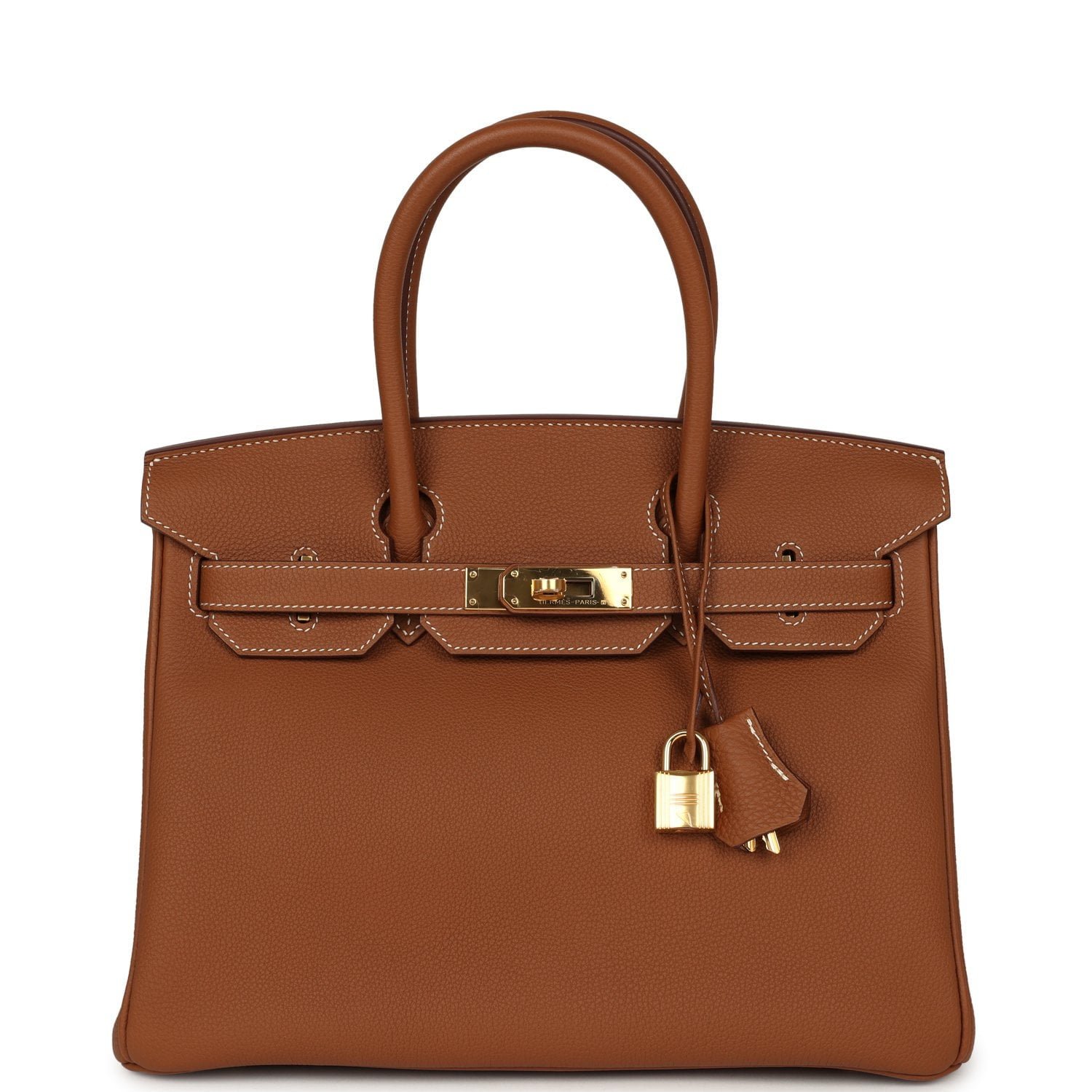
1. The Heritage and Anatomy of the Birkin 30
The history of the Birkin bag is well-documented luxury lore: born in 1984 from a serendipitous mid-air meeting between British actress Jane Birkin and Hermès Chief Executive Jean-Louis Dumas. Seated on a flight from Paris to London, Birkin lamented to Dumas that she could not find a weekend bag that was both elegant and practical for a young mother. Drawing inspiration from the older Hermès Haut à Courroies (HAC) bag, Dumas sketched a supple, spacious rectangular leather carryall featuring a lock, key, and a signature flap closure.
Over the decades, the Birkin has been released in various sizes—ranging from the micro Birkin 25 to the travel-sized Birkin 35 and 40. However, the Birkin 30 (measuring roughly 30cm wide, 22cm high, and 16cm deep) is widely considered the "Goldilocks" size of the family.
The Daily Functionality: While the Birkin 25 leans heavily into the realm of evening elegance and petite chic, and the Birkin 35 serves as an exceptional travel or work tote, the Birkin 30 strikes a flawless balance. It is compact enough to be worn comfortably in the crook of the arm or by hand throughout a busy day of errands, yet spacious enough to house a smartphone, a full-sized wallet, keys, a cosmetic pouch, and daily essentials without distorting its architectural structure.
2. The Materiality: Togo Leather and Its Legendary Resilience
Leather selection is arguably the most critical decision an Hermès artisan or buyer makes. For the Gold Birkin, Togo leather is the definitive match.
Introduced to the Hermès catalog in 1997 (and originally named Veau Crispé), Togo is a calfskin leather derived from baby calves. It is known for several distinct properties that make it a favorite among veteran collectors:
The Grain and Veining: Togo features a prominent, natural pebbled grain achieved through a tumbling process. When closely inspected, it often showcases subtle natural veins (veines), which are a hallmark of authentic, high-grade treated calfskin rather than a sign of defect.
Structural Integrity with Suppleness: Unlike stiffer leathers such as Epsom, Togo possesses a natural resilience. It has a semi-rigid quality that allows the bag to maintain its crisp, trapezoidal silhouette when empty, yet it softens gracefully over time, acquiring a relaxed, slouchy elegance with years of wear.
Scratch and Scuff Resistance: One of Togo’s greatest practical advantages is its durability. The heavily textured, tumbled surface naturally masks minor surface scratches, scuffs, and everyday wear far better than smooth box calf or Swift leathers. For an investment piece meant to be worn and loved, Togo offers peace of mind without sacrificing tactile luxury.
The Chevre Interior: True to Hermès luxury standards, the interior of a Togo Birkin is typically lined with fine Chèvre Mysore (goat leather), offering a smooth, contrasting tactile experience when reaching inside for your essentials. It includes a spacious zippered pocket and a slip pocket for optimal organization.
3. The Colorway: Why "Gold" is the Ultimate Hermès Neutral
Despite its name, Gold is not a metallic finish in the traditional sense; rather, it is Hermès’ signature, iconic warm camel-brown shade.
A Historic Hue: Gold has been in continuous production since the inception of the Birkin line. It is the benchmark against which all other Hermès browns (such as Etoupe, Barenia, or Ébène) are measured.
The Undertone Magic: Gold Togo features rich caramel, honey, and warm tan undertones that shift subtly depending on the lighting. In bright sunlight, it radiates a rich, golden-butterscotch glow; indoors, it reads as a sophisticated, grounded saddle brown.
Versatility Across Seasons: The true genius of the Gold colorway lies in its versatility. It functions as a chameleon neutral. It pairs impeccably with crisp white linens and pastel tones in the spring and summer, while offering a rich, warm anchor for heavy wools, cashmeres, and jewel tones during autumn and winter. It is an all-season, all-occasion color that seamlessly transitions from a casual daytime brunch to an upscale evening dinner.
4. The Hardware: The Radiance of Gold Hardware (GHW)
When pairing a Gold Togo leather bag, collectors generally choose between Palladium (silver-toned) hardware and Gold hardware. While Palladium offers a crisp, modern contrast, Gold Hardware (GHW) delivers a monochromatic, tone-on-tone richness that is breathtakingly cohesive.
The Visual Harmony: The gold-plated hardware—encompassing the iconic plaque (touret), sangles, base feet, and padlock (cadenas)—complements the warm caramel undertones of the Togo leather. Instead of creating a stark visual break, GHW melts into the leather, enhancing the overall warmth and opulence of the piece.
The Craftsmanship Detail: Hermès hardware is traditionally plated with real gold (often 18-karat or 24-karat depending on the vintage and era), giving it a rich, buttery luster rather than a harsh, brassy yellow shine. Over time, high-quality hardware maintains its integrity, though protective plastic stickers are famously kept on by collectors until the moment of first use.
5. The Economics of Scarcity: Market Value and Investment Potential
Walking into an official Hermès boutique and asking to purchase a Birkin 30 in Gold Togo with Gold Hardware is famously difficult. Hermès employs a strict quota system and artificial scarcity model. Clients typically cannot simply walk in and buy a quota bag off the shelf; instead, they must build a robust purchase history (buying ready-to-wear, shoes, home goods, and fine jewelry) over months or years to cultivate a relationship with a store manager before being offered the "opportunity" to purchase a Birkin.
Because of this institutional gatekeeping:
The Secondary Market Premium: The Birkin 30 Gold on Gold trades consistently at significant premiums on the reputable secondary and luxury resale markets.
A Resilient Asset: Unlike standard designer handbags that depreciate the moment they leave the boutique, an authentic, pristine-condition Birkin 30 in a classic specification acts almost like a liquid asset or alternative investment. Its value has historically outpaced inflation, driven by annual retail price increases implemented by Hermès and relentless global demand.
6. Authenticity, Care, and Preservation
Given its status as a heavily counterfeited luxury item, acquiring a Birkin requires immense diligence. Authentication relies heavily on inspecting critical details:
The Hermès Stamp: Located discreetly under the front strap, the heat stamp (Hermès-Paris Made in France) must feature crisp, clean typography where the letters do not bleed into the pebbled texture of the Togo leather.
The Craftisan Blind Stamp: Accompanied by a production letter code indicating the year of manufacture (along with artisan symbols tracking who made the bag), the stamp is executed with razor-thin precision.
Stitching: Hermès bags are entirely hand-stitched using the signature saddle stitch, featuring a slight upward slant. Machine-stitching is an immediate indicator of a counterfeit.
Preservation Tips
To maintain the pristine condition of a Gold Togo Birkin:
Storage: Always store the bag stuffed with acid-free paper or its original air pillows to maintain the structural integrity of the base and sides. Keep it inside its flannel dust bag in a climate-controlled environment away from direct sunlight, which can alter the rich tone of the Gold leather.
Moisture Control: Keep it away from humidity and heavy rain. If caught in damp conditions, wipe it gently with a soft, dry, lint-free cloth.
Conclusion
The Hermès Birkin 30 in Gold Togo with Gold Hardware is far more than a mere luxury accessory. It is a masterclass in industrial design, material selection, and cultural prestige. By combining the resilient, tactile beauty of Togo calfskin with the eternal warmth of Gold leather and GHW, this handbag transcends fleeting seasonal trends. It remains an enduring symbol of sophistication, an heirloom-quality piece of art, and the undisputed crown jewel of any serious handbag collection.


Comments
Post a Comment